Iran in Crisis: The Aftermath of Supreme Leader Khamenei's Death
The Islamic Republic of Iran has been plunged into an unprecedented era of uncertainty following the confirmed death of its long-serving Supreme Leader, Ayatollah Ali Khamenei. Ruling for nearly four decades with an iron fist, Khamenei's demise, reportedly in a joint US-Israeli strike on Saturday, has ignited a powder keg of emotions across the nation and sent shockwaves through the global political landscape. The world watches closely as the future of khamenei iran hangs in the balance, grappling with questions of succession, stability, and its trajectory in the Middle East.
The Shockwaves of Khamenei's Demise
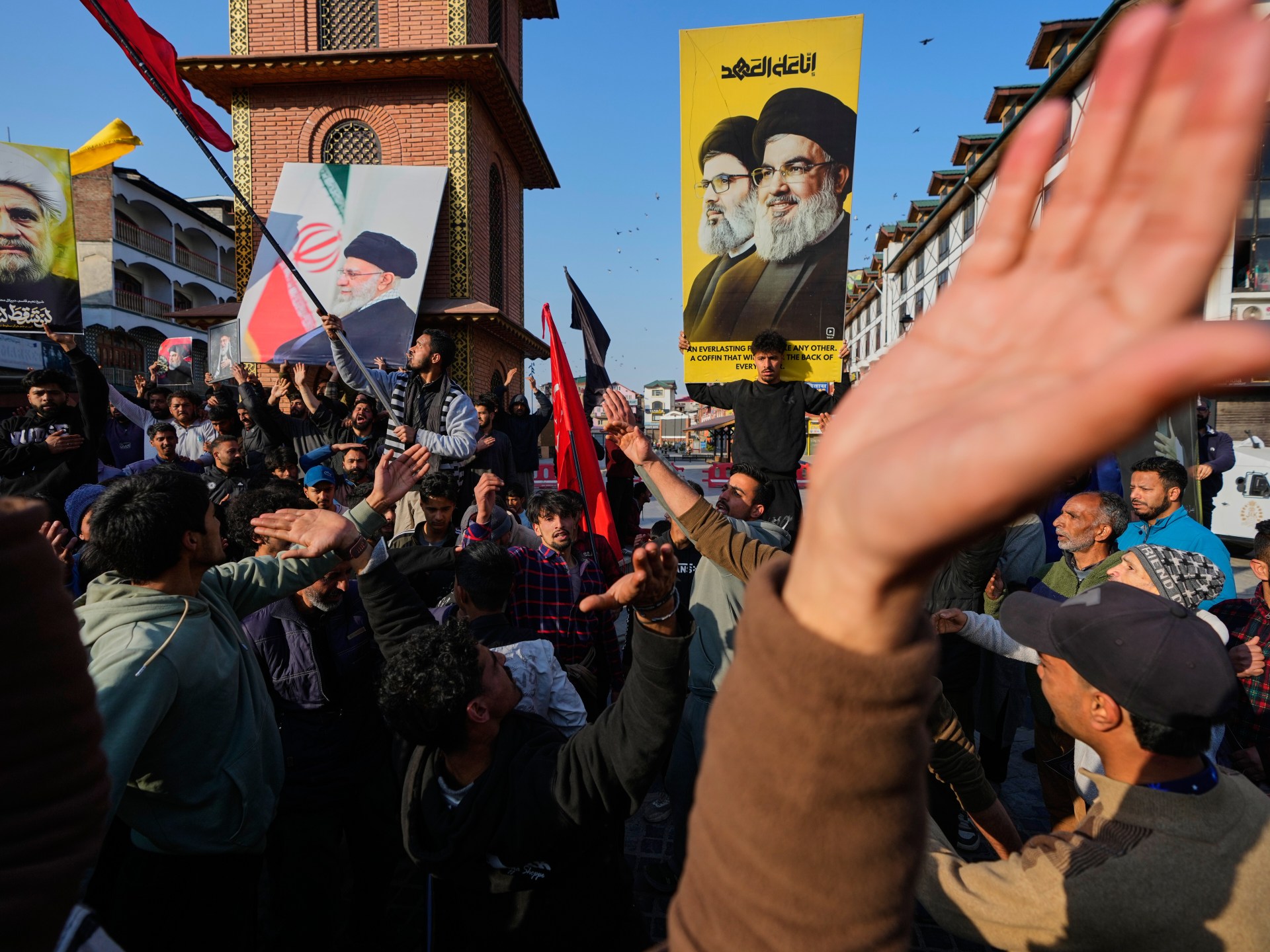
The news of Ayatollah Khamenei's death broke on Sunday, confirming what had been a subject of intense speculation and conflicting reports. Iranian state media, notably through a tearful TV broadcaster, announced his "martyrdom" in a strike that Fars News Agency specified hit his compound in Tehran while he was "carrying out his duties." This confirmation prompted a starkly divided reaction: celebrations erupted among many Iranians who had long opposed his repressive rule, while loyalists of the regime expressed profound grief and fury.
Initial efforts by Iran's Foreign Ministry to insist Khamenei was "safe and sound" were quickly overshadowed by public statements from US President Donald Trump and Israeli Prime Minister Benjamin Netanyahu. Netanyahu had hinted at the Supreme Leader's death on Saturday evening, stating there were "many signs" he was "no longer with us." Satellite images from Airbus corroborated these claims, displaying black smoke emanating from Khamenei's Tehran compound and significant damage to several buildings. Two Israeli sources later confirmed to CNN that the strikes specifically targeted senior figures, including Khamenei, President Masoud Pezeshkian, and armed forces chief of staff Abdolrahim Mousavi, underscoring the high-stakes nature of the operation.
The immediate response from within the Iranian establishment was defiant. Ali Larijani, Secretary of the Supreme National Security Council and a key advisor to Khamenei, swiftly vowed retribution, signaling Iran's intention to "stab" America in the heart. Such strong rhetoric highlights the deep animosity and potential for escalation in the wake of this pivotal event.
A Nation at a Crossroads: The Search for Succession
Khamenei's death leaves a massive void at the pinnacle of khamenei iran's complex political and religious structure. As Supreme Leader, he held ultimate authority over all major state policies, commanding the military, judiciary, and media. His nearly 36-year tenure, which began after the death of Imam Ruhollah Khomeini in 1989, solidified a hardline revolutionary ideology and expanded Iran's regional influence through a network of proxies.
The immediate challenge is the absence of a clearly designated successor. Iran's constitution outlines a process where the Assembly of Experts, a body of 88 high-ranking clerics, is responsible for electing the next Supreme Leader. However, this process is often shrouded in political maneuvering and factional struggles. Historically, candidates for this role must possess deep religious credentials, political acumen, and the backing of powerful factions, particularly the Islamic Revolutionary Guard Corps (IRGC).
In the interim, a temporary leadership structure is expected to be formed, comprising the President, the Head of the Judiciary, and potentially other senior figures, as suggested by Larijani. However, this provisional arrangement is unlikely to quell the intense internal power struggles already underway. Many experts fear that Khamenei's death, rather than ushering in democratic change, is more likely to empower the hardline Islamic Revolutionary Guard Corps. The IRGC, a parallel military force created to protect the revolution, has steadily increased its political and economic influence over decades. Its foundational role, often celebrated through national holidays like 2 Ordibehesht (marking its establishment) and 3 Bahman (Pasdar Day), underscores its ideological significance and institutional might. Its ascendance could mean an even more repressive domestic environment and an aggressive stance in foreign policy.
Understanding the intricate web of power within Iran, particularly the ascendant role of the IRGC, is crucial for assessing potential future scenarios. For more on the complex dynamics of leadership, consider reading Who Rules Iran Now? Succession Battle After Khamenei's Demise.
Iran's Vulnerability and External Pressures
Khamenei's death occurs at a moment when Iran is arguably at its weakest point since he assumed power. Decades of crippling Western sanctions, primarily from the United States and the European Union, have severely isolated the country and battered its economy. These sanctions have targeted Iran's oil exports, banking sector, and key industries, leading to widespread economic grievances among the populace. The cumulative effect has been hyperinflation, high unemployment, and a significant decline in living standards, fueling widespread discontent.
Adding to this vulnerability, the US and Israeli strikes in June 2025 had already delivered a severe blow to Khamenei's rule, further exposing the regime's weaknesses. Just six months later, these economic grievances boiled over into massive protests that quickly evolved into a nationwide political movement. Spreading across all 31 of Iran's provinces within weeks, these demonstrations presented the most serious domestic challenge to the regime in years. The government's response was brutal, leading to the deaths of thousands of protesters and sparking global outrage, including a direct threat of intervention from the Trump administration.
That intervention materialized on Saturday, with President Trump declaring a "massive and ongoing operation to prevent this very wicked, radical dictatorship from threatening America and our core national security interests." While the stated aim included regime change, the immediate outcome of Khamenei's death remains uncertain. The possibility of the IRGC solidifying its grip on power, rather than a democratic uprising, is a significant concern. The confluence of internal unrest, a crippled economy, and direct external military action creates a volatile environment. For a deeper dive into these pressures, see Khamenei's Fall: Iran's Weakness, US Strikes & Regime Change Hopes.
The Path Forward: Challenges and Scenarios for Iran
The aftermath of Khamenei's death presents Iran with a confluence of daunting challenges and potential scenarios. The immediate future will likely be characterized by heightened internal power struggles within the ruling elite, particularly between the more traditional clerical establishment and the increasingly powerful and ideologically driven IRGC. The IRGC, deeply ingrained in Iran's economy, military, and political apparatus, is well-positioned to exert significant influence over the succession process, potentially installing a leader sympathetic to its hardline agenda.
Key Considerations for the Aftermath:
- Internal Power Dynamics: Observers will be closely watching for signs of internal dissent within the IRGC itself, or between the IRGC and other traditional power centers. The selection of a new Supreme Leader will dictate the balance of power for decades to come.
- Regional Implications: Iran's foreign policy, particularly its support for proxy groups across the Middle East (such as Hezbollah in Lebanon, Houthi rebels in Yemen, and various militias in Iraq and Syria), will be a critical indicator of its post-Khamenei direction. A hardline succession could intensify regional tensions, while a more pragmatic leadership might seek de-escalation, though this seems less likely in the immediate aftermath.
- Economic Stability and Public Dissent: The new leadership will inherit a nation grappling with severe economic hardship. How it addresses these grievances will determine the level of future public unrest. A failure to deliver tangible improvements could reignite widespread protests, potentially challenging the legitimacy of the new regime.
- International Relations: The relationship with the United States and Israel will be paramount. President Trump's call for the Iranian people to rise up signals a clear intent towards regime change, setting the stage for potential further interventions or intensified sanctions. Iran's response to this pressure, whether through escalation or negotiation, will shape its standing on the global stage.
The prospect of a consolidated hardline IRGC rule looms large, potentially leading to increased repression at home and continued confrontation abroad. However, the deep-seated popular discontent and the unprecedented nature of Khamenei's violent end also present a slim, albeit difficult, opportunity for a different path, should internal forces or external pressures align to promote a more moderate direction. The sheer scale of the challenges, from economic devastation to a deeply fractured society, ensures that the path forward for khamenei iran will be fraught with peril.
Conclusion
The death of Ayatollah Ali Khamenei marks a watershed moment for Iran, ushering in a period of profound instability and uncertainty. His nearly four-decade reign, characterized by a relentless pursuit of revolutionary ideals and confrontation with the West, has ended abruptly, leaving behind a nation at a critical juncture. The immediate future will be shaped by the fierce battle for succession, the ascendant power of the Islamic Revolutionary Guard Corps, and the ongoing pressures of international sanctions and popular dissent. As Iran grapples with these monumental challenges, the world watches with bated breath, understanding that the aftermath of Khamenei's death will not only redefine the future of khamenei iran but also significantly impact the delicate balance of power across the entire Middle East.